In the early 2000s, Clint Hoffmann, the founder of Ambrose Solutions, identified a growing issue in remote Aboriginal communities in the Northern Territory: the decline of financial literacy and employment opportunities due to the adoption of automated accounting systems like MYOB and Attaché. This shift had unintentionally marginalised Aboriginal book-keepers who had previously managed financial accounts manually.
In 1990, Clint's first audit client, a community government council, employed three Aboriginal book-keepers proficient in using 18-column manual books to meticulously track each grant and prepare reports for accountants who managed the monthly and annual financial statements. This experience demonstrated to Clint that Aboriginal people possessed both the capability and the potential to excel in financial management roles. However, by 2001, Clint observed that as financial processes became increasingly digitised, there was a perceptible disconnect within the community. Members began to feel alienated from their own financial management, perceiving that invoices and financial reports were magically handled by an accounting firm "somewhere" outside their community. This resulted in a sentiment of loss of control over their financial affairs, exacerbated by the job displacement caused by new accounting technologies.
To address this, Clint conceived the innovative HandITback system. This system was designed to demystify financial processes and reintegrate Aboriginal employees into financial management roles. HandITback utilised a manual, colour-coded, and mind map-based bookkeeping approach. This intuitive system was tailored to the educational and cultural needs of the community, making financial management accessible and understandable at all levels within Aboriginal organisations.
The success of HandITback was evident when Aboriginal treasurers, who were trained under this system, could confidently explain financial outcomes to their boards in their native languages. The project not only reinstated financial control back to the local community members but also revived employment and training opportunities in financial management within these communities. Clint's foresight in developing HandITback highlights a critical approach to innovation: adapting modern tools to enhance, rather than replace, traditional skills and roles, thereby empowering communities through appropriate technology. This project serves as a model of how thoughtful leadership and understanding of local contexts can lead to impactful and sustainable development.
In 2002, Clint embarked on an innovative governance project aimed at improving the dynamics within an Aboriginal Board overseeing community services in a remote Aboriginal community. He was tasked with enhancing the board’s effectiveness and inclusivity in decision-making processes.
Clint observed a significant issue during his tenure with the board: the governance structure was heavily influenced by traditional cultural protocols that granted the traditional owner of the land, where the board meetings were held, predominant control over decision-making. This protocol significantly limited the input of board members from outstations – those regions outside the primary community who relied on the board’s decisions for improved service delivery in their own communities. Recognising the need for a more equitable governance model that respected cultural norms while promoting inclusivity, Clint devised a strategic solution. After thorough consultations with the board and deep dives into the governance challenges they faced, Clint proposed a rotating meeting system. This innovative model was designed to shift the location of each board meeting to different communities within the service delivery footprint of the Aboriginal organisation.
Clint took his proposal to the Office of the Registrar of Aboriginal Corporations (ORAC), which assisted in modifying the organisation's constitution to facilitate this change. Under the new governance model, the board member from each respective community would serve as the chairperson during the meeting held in their community. This adjustment ensured that every community had a turn at leadership and decision-making authority, reflecting a true cultural match in the governance process.
This initiative not only democratised the decision-making process but also aligned it with the cultural protocols and respect for traditional land ownership. By rotating the leadership and location of meetings, the board was able to achieve a balanced representation, ensuring that all communities had a voice in the governance of their collective resources. Clint's lateral thinking and culturally sensitive approach led to a governance structure that was both inclusive and respectful of traditional customs, setting a precedent for other organisations facing similar challenges.
Clint has consistently sought innovative ways to enhance communication and engagement with his clients. Breaking away from the conventional image of accountants, Clint introduced a novel tool – the "Mentoring Mat". This tool exemplifies his commitment to turning entrepreneurial dreams into tangible realities through effective planning and client involvement.
The Mentoring Mat serves as both a literal and metaphorical platform to unfold the complexities of business planning. Designed to be portable and practical, it can be spread out over a boardroom table or rolled up for use in remote locations, whether under a tree in the Northern Territory or on a beach. This flexibility ensures that Clint's approach to client engagement is not confined by the physical boundaries of a traditional office setting, making financial and business planning accessible in diverse environments. The mat itself is structured like a comprehensive lesson plan that guides the client through various critical aspects of their business. It is divided into clear sections, each dedicated to a different component of business management: vision, mission, objectives, planning, sales and marketing, people management, compliance, financial management, asset management, and governance.
Additionally, it includes tools such as a SWOT analysis, a financial model, and an action list. This layout helps clients visualise and understand each step of their business journey, fostering a sense of ownership and clarity. One of the key strengths of the Mentoring Mat is its ability to standardise the quality of consultancy across Clint’s team. By using the mat, all employees at Ambrose Solutions can deliver consistent, high-quality advice and maintain the same level of engagement and effectiveness, ensuring that all clients, regardless of their background or business size, receive tailored and strategic support.
For over two decades, the Mentoring Mat has been the cornerstone of Clint’s practice, receiving positive feedback from diverse clients ranging from micro to large businesses. This tool not only enhances client understanding and involvement but also serves as a testament to Clint’s innovative approach to consultancy, which prioritises clear communication, practical solutions, and client empowerment. The success of this method demonstrates how traditional business practices can be transformed with creative thinking and client-centric approaches.
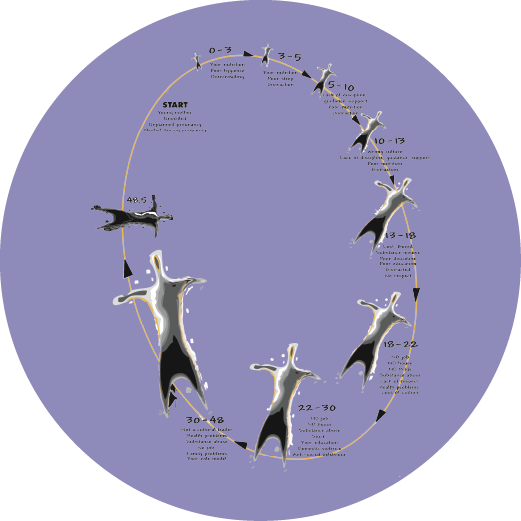
In 2006, Clint embarked on a transformative strategic planning project on the Tiwi Islands, aiming to address profound health disparities within the Indigenous community. The project leveraged a unique tool developed by Clint, termed the "Tiwi Lifecycle," which employed a reverse engineering consultation approach to delve into the complex and culturally sensitive issues affecting the community's health and well-being.
The Tiwi Lifecycle was designed to capture the full spectrum of life on the Tiwi Islands, focusing on understanding the reasons behind the significantly lower life expectancy of the Tiwi people compared to the broader Australian population. At that time, the average life expectancy for the Tiwi community was 48.5 years – nearly 20 years shorter than that of non-Indigenous Australians. This stark disparity prompted Clint to explore the social determinants of health as articulated by the community leaders and members themselves.
Clint’s approach was both culturally and emotionally sensitive, ensuring that the consultation process respected Tiwi customs and values while encouraging open and honest dialogue about difficult subjects. By asking probing questions in a manner that was culturally attuned, he was able to gather insights directly from the Tiwi people about the root causes of their health challenges.
Moreover, Clint introduced another framework during his consultations, which helped categorise the issues into three distinct areas: what was not working on the Tiwi Islands, what the Tiwi people themselves could do to address these challenges, and where they needed external assistance. This method facilitated a comprehensive understanding of both internal capabilities and external needs, enabling the development of tailored strategies that were both realistic and respectful of the community's autonomy.
The outcomes of this project were significant, identifying key interventions needed to improve health outcomes and enhance the quality of life on the Tiwi Islands. The frameworks Clint developed proved instrumental in creating actionable paths forward, influenced by genuine community feedback and led by local leaders. This project not only highlighted the specific needs of the Tiwi community but also served as a model for community-driven health strategy planning in other Indigenous contexts. Clint’s work on the Tiwi Islands stands as a testament to the power of culturally sensitive strategic planning in addressing "wicked problems" like health disparities in Indigenous populations.
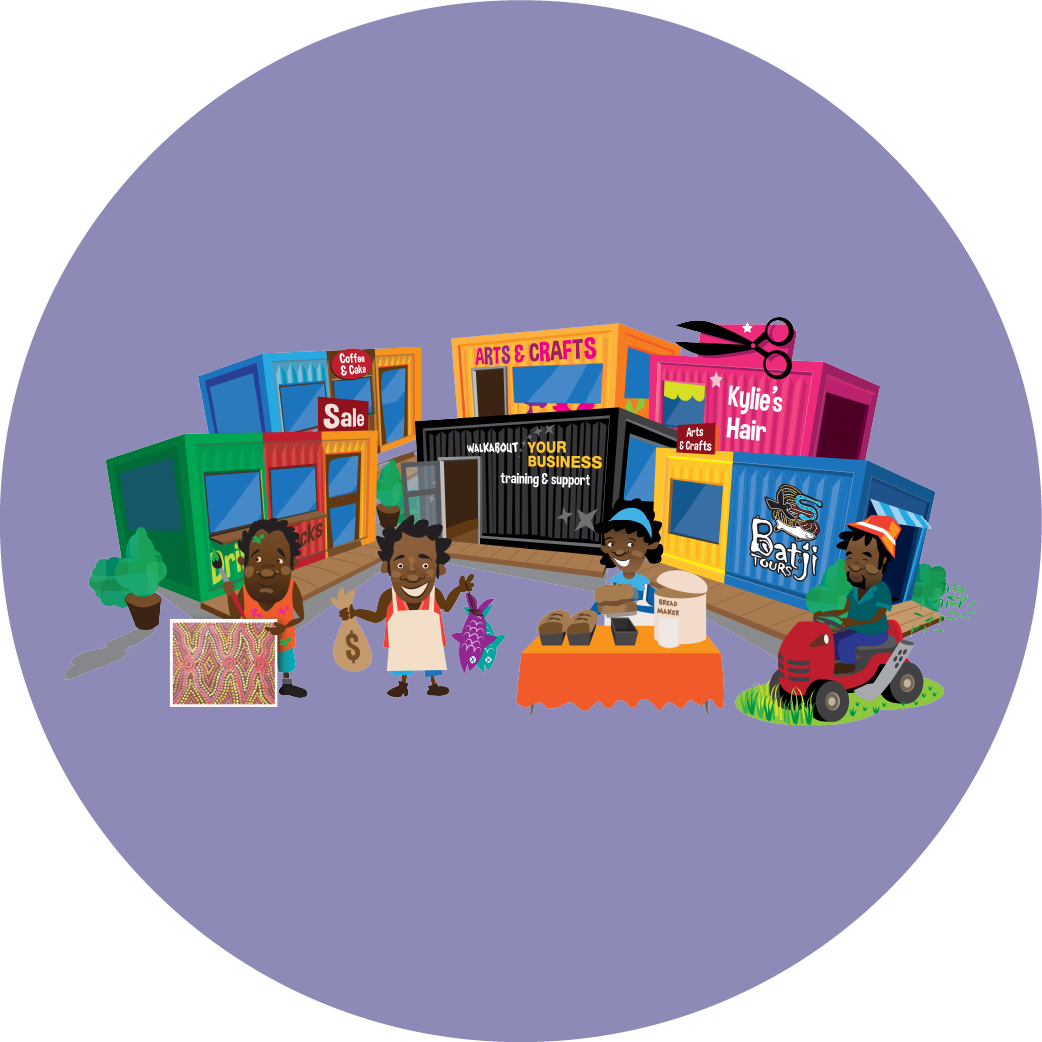
The WalkAbout Your Business program represents a ground-breaking training initiative aimed at enhancing the business skills of Indigenous entrepreneurs. Leveraging over two decades of expertise in assurance, tax, and consulting, Ambrose Business Solutions is dedicated to empowering Indigenous communities through education and capacity building, particularly in the Northern Territory.
Program Vision and Design
WalkAbout Your Business is designed to support Indigenous entrepreneurs by integrating over a decade of best practices with insights from global leaders in Indigenous entrepreneurship. The program structures its curriculum around six stages of the business lifecycle: Dream, Grow, Plan, Start, Build, and Wrap. These stages are crafted to address the unique challenges and needs of early-stage Indigenous businesses, focusing on reducing execution risk and enhancing business capabilities to maximise community benefits.
Services and Methodology
Ambrose Business Solutions offers a comprehensive suite of services under the WalkAbout Your Business program, including:
The program utilises innovative tools and practical content like business simulations, case studies, and visual aids, making complex business concepts accessible and relatable. This enhances learning outcomes and ensures the application of these principles in real-world scenarios.
Unique Features and Impact
A distinctive aspect of the program is its practical, non-accredited training approach that focuses on life skills and hands-on capacity building. This method proves exceptionally effective in preparing Indigenous graduates for future employment or entrepreneurial ventures. The program includes a mix of workshops ("Power-shops"), one-on-one mentoring, and self-guided study tailored to the unique learning styles and needs of participants.
Partnerships and Support
Developed in partnership with the Commonwealth Bank of Australia and receiving extensive support within the Northern Territory, WalkAbout Your Business stands as a model for collaborative efforts aimed at uplifting local First Nations people. The program has been well-received in the market, with high participant engagement and numerous success stories demonstrating its effectiveness and the essential need for such initiatives.
The WalkAbout Your Business program by Ambrose Business Solutions is more than just a training initiative; it is a transformative journey that equips Indigenous entrepreneurs with the tools, knowledge, and confidence needed to thrive in the competitive business landscape. As it continues to evolve and adapt to participant needs, the program remains committed to fostering sustainable economic development and ensuring long-term success for Indigenous communities.
The ThinkAbout Your Decision (TYD) program represents an innovative leap in EdTech governance training tailored for board members of not-for-profits (NFPs), sports clubs, and Aboriginal corporations. This program, masterminded by the founder of Ambrose Business Solutions, reflects a commitment to enhancing governance through education, specifically designed to address the unique challenges faced by volunteer board members in these sectors.
Innovative Approach and Educational Content
The TYD program harnesses the power of EdTech to demystify complex governance concepts. Central to this program is an educational animation titled 'Ten Reasons Boards Fail', which outlines common pitfalls in board governance through engaging and accessible content. This animation sets the stage for a risk-mitigating pre-mortem approach, helping board members anticipate and address potential governance failures before they occur.
Impact and Relevance
The TYD program is tailored specifically to meet the needs of board members who often volunteer their time and may not have formal training in governance. By providing practical, engaging, and expert-driven content, TYD empowers these leaders to make informed decisions that enhance the effectiveness and sustainability of their organisations. The program’s focus on pre-emptive problem-solving and risk management is particularly crucial for NFPs, sporting clubs, and Aboriginal corporations, where governance missteps can have significant repercussions.
The ThinkAbout Your Decision program by Clint Hoffmann and Ambrose Business Solutions exemplifies innovative educational practice in the field of governance. By leveraging technology and expert knowledge, TYD transforms the often daunting subject of governance into manageable, learnable segments that equip board members with the skills and confidence to lead their organisations more effectively. This program not only educates but also empowers leaders in critical sectors, fostering better management and accountability in organisations that play vital roles in their communities.
Comprehensive Learning Tools
TYD is more than just a series of lectures; it includes a variety of interactive and multimedia learning tools designed to cater to different learning styles and needs:
The IFProject is an innovative initiative dedicated to improving men's mental health in the workplace. Recognising the critical need for support in this area, Hoffmann launched the IFProject as a social enterprise in 2016, catalysed by the personal loss of a close friend. The project underscores the importance of creating a safe and supportive environment where men can openly discuss and manage their mental health challenges.
Innovative Approach to Mental Wellness
The IFProject distinguishes itself by its focus on digital accessibility, providing mental wellness tools and resources that men can access anytime and anywhere. This approach acknowledges the modern challenges men face and leverages technology to deliver support right where it is needed. In 2016, the project launched its first major resource, the IFGuide, which was digitally enabled and distributed free of charge worldwide. This guide served as a cornerstone of the project's resource offerings, providing practical advice and support directly to men's smartphones or computers.
Evolution and Expansion
In 2022, the IFProject took a significant step forward by updating the IFGuide with refreshed content and launching the IFMencommunity app. This app aims to build a supportive community where men can engage with each other and access mental health resources in a stigma-free environment. The update and the new app reflect the project's ongoing commitment to adapt and enhance the support it provides.
Engagement and Impact
Hoffmann's project doesn't just focus on awareness; it actively engages with the community through activation events, corporate lunches, and speaking engagements. These events are crucial for promoting the use of the IFProject's resources, enabling direct interaction with the target audience, and fostering a community of support and understanding. The project's approach goes beyond conventional mental health programs by facilitating real conversations and offering real tools that can lead to positive behavioural health changes. The IFProject by Clint Hoffmann is more than just a mental health initiative; it is a lifeline for men struggling in silence. It leverages digital technology to ensure widespread access to mental health resources, making significant strides in destigmatising mental health discussions among men. As it continues to evolve, the IFProject remains dedicated to empowering men to take control of their mental health and well-being, ensuring they do not face their darkest moments alone.
Clint has been instrumental in launching several pioneering educational technology initiatives that address critical social issues, with a particular focus on enhancing road safety across diverse communities in Australia. Among these intiatives, the DriveAbout suite stands out as a flagship project, demonstrating innovative use of technology to improve driver education and safety.
DriveAbout App
The DriveAbout App is a cornerstone of Hoffmann's EdTech initiatives. Designed as an interactive educational tool, it focuses on improving road safety for vulnerable groups, including youth, Aboriginal communities, and immigrants. The app differentiates itself by offering content in multiple languages, eight Aboriginal languages and seven foreign languages, making it accessible and inclusive. Its use of animations and interactive content ensures that it engages users effectively, helping them overcome literacy barriers and gain essential road safety knowledge in a culturally appropriate manner.
DriveAbout Digital L and P Plates
In addition to the app, the DriveAbout Digital L and P Plates represent an innovative approach to supporting learner and provisional drivers. These plates include QR codes that link directly to the DriveAbout App, providing instant access to a wealth of road safety resources at no cost. This feature is particularly beneficial for Aboriginal and immigrant communities, who often encounter language and literacy challenges with traditional learning materials.
DriveAbout WorkForce Program
Another significant contribution from Hoffmann is the DriveAbout WorkForce program, aimed at enhancing workplace health and safety in industries located in remote and rural areas. Recognising that road accidents are a leading cause of workplace fatalities, this program provides essential resources to mitigate risks and comply with industrial manslaughter laws, ensuring safer practices for employees who frequently travel for work.
Through these projects, Clint Hoffmann has not only addressed the immediate educational needs but has also fostered a safer driving environment across Australia. His commitment to using technology for social impact underscores the potential of EdTech to bridge educational gaps, promote cultural understanding, and ultimately save lives. The DriveAbout suite continues to evolve, adapting to new challenges and expanding its reach to ensure that all drivers, regardless of their background, have access to high-quality road safety education.
In a progressive move to demystify complex legal and land lease issues for Traditional Owners and stakeholders in the Northern Territory, Clint spearheaded the development of a comprehensive digital education resource for the Office of Township Leasing. This initiative represents a significant step forward in empowering Indigenous communities with the knowledge necessary to navigate the intricacies of township leasing.
Educational Resource Design
The cornerstone of this project is a digital eBook complemented by a series of blended learning resources, which include nine powerful animations. These animations play a crucial role in breaking down the often complex and dense information associated with township leasing into understandable and engaging formats. By converting legal jargon and procedural details into visual narratives, the resource makes the information accessible and easier to grasp for Traditional Owners who may not have a formal legal background.
Objective and Impact
The primary objective of this initiative is to facilitate informed decision-making among Indigenous communities regarding the management and leasing of their lands. Township leasing involves the leasing of land in Indigenous communities to third parties, which can include government agencies or private enterprises, to promote economic development and improve community services. However, the process and implications of such leases can be challenging to understand.
By providing a non-biased, clear, and visually engaging explanation of township leasing, Clint Hoffmann's project ensures that all stakeholders, especially Traditional Owners, have a solid understanding of their rights, the potential benefits, and the risks involved. This knowledge empowerment aligns with broader goals of ensuring that Indigenous communities can make decisions that best serve their long-term interests and preserve their cultural heritage.
Broader Educational Goals
This digital eBook and the accompanying animated series are part of a larger strategy to use educational technology to bridge knowledge gaps and build capacity within Indigenous communities. The use of blended learning techniques, combining digital content with interactive components, enhances learning engagement and retention, particularly in remote areas where access to face-to-face educational sessions can be limited.
Clint Hoffmann's township leasing educational initiative exemplifies how digital technology can be leveraged to support Indigenous sovereignty and self-determination in Australia. By transforming complex legal information into accessible educational content, Ambrose helps ensure that Indigenous stakeholders are not only informed but also equipped to actively participate in decisions that affect their lands and futures. This project is a model of how educational tools can be used to support community empowerment and governance.
Clint Hoffmann, through his firm Ambrose, initiated the GEAT (Groote Eylandt Aboriginal Trust) Governance Project, a significant endeavour aimed at enhancing governance understanding and practices among trustees and beneficiaries based on Groote Eylandt. This project is pivotal in simplifying and elucidating the intricate aspects of governance for the Indigenous community, using innovative educational tools tailored to their cultural and linguistic needs.
Project Overview
The GEAT Governance Project was designed to tackle the complex nature of governance by breaking down essential concepts into an easily understandable format. Recognising the unique challenges faced by the Indigenous trustees and beneficiaries, Ambrose developed a suite of blended learning resources. These included a digital eBook, mentoring mats, and animations, all available in both the local Anindilyakwa language and English. This bilingual approach ensures that the resources are accessible to all members of the community, respecting their linguistic preferences and enhancing their learning experience.
Educational Framework and Content
Ambrose employed a clear "What, Why, How" framework in the development of the educational content. This framework was carefully chosen to guide the users through the learning process:
This structured approach helps in building a comprehensive understanding of governance, ensuring that even complex legal and financial stewardship principles are made clear and actionable.
Engagement and Impact
The use of animations and mentoring mats plays a crucial role in engaging the community. These tools not only make learning more interactive but also help in retaining important information. By translating these resources into the Anindilyakwa language, the project acknowledges and respects the cultural identity of the Groote Eylandt community, making governance more relatable and applicable.
The GEAT Governance Project by Clint Hoffmann and Ambrose represents a forward-thinking approach to community empowerment through education. By providing tailored, culturally sensitive educational resources, the project ensures that Indigenous trustees and beneficiaries are well-equipped to make informed decisions that will benefit their community. This initiative not only fosters better governance practices but also builds a foundation for future educational and developmental projects within Indigenous communities.
Clint has significantly deviated from traditional accounting practices by integrating educational animations into his professional services. Over the past 15 years, Hoffmann has developed numerous hours of educational animations covering diverse topics such as business, governance, men's mental well-being, health, driver education, and more. This unconventional approach for someone in his field stems from a blend of personal experiences and a profound understanding of storytelling's educational impact.
Background and Inspiration
Growing up in the remote Northern Territory of Australia during the 1970s, where television and other forms of media were scarce, Hoffmann's early exposure to cartoons during visits to relatives in Adelaide ignited a lifelong interest in animated storytelling. This interest was further influenced by his cultural experiences: his mother, a Ukrainian immigrant, used storytelling to bridge language barriers, and his interactions with the Yolngu Aboriginal people, for whom storytelling is a traditional method of education.
Impactful Messaging
Hoffmann also cites influential Australian public health campaigns from the late 1970s – like 'Don't Be a Norm' (health promotion), 'Don’t Be a Litterbug' (anti-littering), and 'Slip Slop Slap' (skin cancer prevention) – as major influences on his appreciation for the power of media in education. These campaigns demonstrated how complex messages could be effectively communicated through simple, memorable content.
Transition to Animation
The pivotal moment for Hoffmann’s venture into educational animations came when his friend, Hollywood producer Graham Steele, filmed him explaining business principles through sand drawings to an Aboriginal family. Steele suggested that, while effective, Hoffmann’s hands-on approach wasn't scalable. He proposed using stop-motion animation to reach a broader audience, a suggestion that transformed Hoffmann’s educational outreach. By creating animations, Hoffmann could tell a story once and make it accessible indefinitely, allowing clients to revisit the information as needed.
Current Contributions and Success
Today, Clint Hoffmann’s portfolio includes viral animations such as '10 Reasons Boards Fail', '10 Reasons Businesses Fail', instructional content on road rules and safety in 16 languages, and many more. These animations have proven timeless, continuously serving educational purposes without the need for repeated personal engagement. This approach not only enhances learning and retention for his clients but also breaks the conventional client/advisor dependency, empowering clients with self-serve educational tools.
Clint Hoffmann's work exemplifies how animation can transcend traditional boundaries of education, proving that complex ideas can be effectively conveyed in engaging, visual formats. His success demonstrates that animations are not merely "silly cartoons" but powerful educational tools capable of making significant impacts across various fields.
Clint has been a Myers-Briggs facilitator for over 20 years. His deep appreciation for the Myers-Briggs Type Indicator (MBTI) began during his tenure at Ernst & Young, where it was used as a tool for understanding how different people need information presented to facilitate their decision-making processes. This foundational experience shaped his approach to developing and delivering educational content, particularly in environments that require cross-cultural understanding and communication.
Application in Ambrose’s Methods
At Ambrose, Clint integrates the MBTI framework to tailor educational and communication strategies according to different personality types. This personalised approach ensures that the information is presented in a manner that is most likely to resonate with the audience, thereby enhancing learning outcomes and decision-making efficiency. Clint's use of MBTI is particularly innovative in the context of his work with diverse groups, including corporate and Indigenous Australian communities.
Cross-Cultural Communication and Education
Clint hypothesises, based on his extensive experience, that while corporate Australia predominantly aligns with the ESTJ personality type (Extroverted, Sensing, Thinking, Judging), Indigenous Australia tends to reflect the INFP type (Introverted, Intuitive, Feeling, Perceiving). This insight guides his efforts to facilitate better communication and understanding between these culturally diverse groups. By educating each group about the different communication styles and preferences, Clint aims to foster a more inclusive and effective dialogue.
Underpinning Educational Resources
In developing blended learning and EdTech resources, Clint always considers the specific needs and cultural contexts of his audience. This consideration is especially crucial when communicating with Indigenous Australians, where the use of mentoring mats, visuals, storytelling, and a deep respect for cultural values and norms is vital. These methods are not only educational tools but are also bridges that connect diverse cultural perspectives, promoting mutual understanding and respect. Clint Hoffmann’s strategic application of the Myers-Briggs framework at Ambrose illustrates his commitment to understanding and addressing the unique needs of diverse groups. By adapting educational strategies to align with different personality types and cultural backgrounds, Clint enhances the effectiveness of his programs and facilitates more meaningful and productive interactions across cultural divides. This approach not only improves educational outcomes but also strengthens the overall impact of his work in fostering cross-cultural collaboration and understanding.
The 'Egg to Handbag' project, spearheaded by Clint, represents a revolutionary approach to business development within Indigenous communities in the Northern Territory, Australia. This initiative exemplifies the integration of economic development, Indigenous empowerment, and innovative consulting to transform a natural resource – crocodile eggs – into high-value luxury goods like handbags, marketed to prestigious brands such as Hermes and Gucci.
Project Overview and Objectives
The 'Egg to Handbag' project began when Ambrose Solutions was tasked with crafting a business plan for a joint venture between local Indigenous communities and a prominent crocodile farm. The concept was simple yet ambitious: leverage the Indigenous-owned resource of crocodile eggs and develop them into luxury-grade crocodile skins. The overarching goal was to establish a sustainable business model that not only generated economic benefits but also provided significant employment and empowerment opportunities for the Indigenous people.
Innovative Consulting Approach
Understanding and communication were central to the project's success. Clint Hoffmann utilised a unique consulting style that involved storytelling and metaphors that resonated deeply with the Indigenous stakeholders. Starting with foundational questions like, "How does an egg turn into a handbag?" Hoffmann simplified complex business processes, ensuring clarity and inclusiveness in discussions. This method not only demystified the stages of crocodile farming but also fostered a collaborative atmosphere among all participants.
Visual and Hands-On Learning
To bridge the gap between traditional business strategies and the Indigenous community’s understanding, Hoffmann employed visual aids and hands-on activities. Large visual maps laid out the lifecycle of a crocodile from egg to handbag, making the business model tangible and understandable. Role-playing exercises were also pivotal, allowing community members to enact scenarios from farming to final sales, which clarified roles and reinforced the learning process.
Empowerment and Ownership
A critical component of the project was ensuring that the Indigenous community had ownership and control over their resources and the business. The joint venture was structured to start with Indigenous stakeholders holding a minority share, with a plan in place for them to gain majority ownership over time. This setup not only ensured they had a significant stake in the business but also aligned with broader goals of self-sufficiency and long-term community benefit.
The 'Egg to Handbag' project by Clint Hoffmann showcases a profound application of respectful, culturally sensitive business practices that align economic incentives with community empowerment. Through this project, Hoffmann has demonstrated that complex business ventures can succeed through innovative thinking, respect for cultural values, and genuine engagement with community stakeholders. This initiative serves as a model for similar projects worldwide, highlighting the potential for natural resources to catalyse substantial economic and social improvements.
The incident involving Telstra’s unethical sales practices towards remote Aboriginal communities underscores the urgent need for clear and culturally sensitive communication, particularly in presenting complex contractual information. A strategic solution inspired by Clint Hoffmann’s innovative use of educational technology (EdTech) in projects like DriveAbout could significantly mitigate such issues.
Background
Telstra faced significant backlash and legal repercussions due to sales misconduct, particularly in miscommunicating contract terms to customers in culturally and linguistically diverse (CALD) populations. This highlighted the gaps in understanding and respect for the unique needs of Aboriginal communities.
Proposed EdTech Solution
Leveraging the success of the DriveAbout app, which effectively delivers road safety education in multiple Aboriginal languages through engaging animations, a similar approach could be adopted to explain Telstra’s sales contracts. This EdTech tool would not only educate Telstra’s sales teams but also empower customers by making complex contract terms understandable and accessible.
Key Features of the Proposed EdTech Tool
Benefits:
An EdTech solution similar to the proposed contract education app could have been a game-changer for Telstra, potentially preventing the unethical practices and fostering a healthier relationship with Indigenous communities. This approach, drawing on Clint Hoffmann’s expertise and proven success with similar tools, offers a robust framework for corporations looking to engage responsibly with CALD populations.
Clint Hoffmann's innovative approach to Native Title negotiation has evolved significantly, integrating modern technology with traditional capacity-building methods to address the unique needs of Native Title holders. As the founder of Ambrose, Clint has long advocated for the use of blended learning models in complex negotiations, and his methods are now gaining recognition as powerful tools in this specialised field.
Innovative Capacity Building Methods
Clint’s strategy involves a blend of traditional and modern educational tools to enhance understanding and engagement during Native Title negotiations. This includes:
Understanding Community Needs
Native title holders often require intricate benefit packages and agreements to be explained in a manner that the entire community can understand. Clint's approach recognises that effective negotiation extends beyond mere legal and environmental advising. It necessitates a deep understanding of the community's cultural context and a need for clear communication.
Technology Amplifying Traditional Techniques
The integration of technology has amplified the effectiveness of Clint's long-standing techniques. By utilising EdTech tools, Ambrose can deliver educational content that is both engaging and informative, ensuring that all stakeholders, regardless of their educational background or familiarity with technology, can fully participate in the negotiation process.
Demand for Specialised EdTech Solutions
As the market begins to understand and appreciate the value of such innovative approaches, the demand for Clint’s methods and EdTech solutions in Native Title negotiations has increased. These tools not only facilitate smoother negotiations but also empower communities by providing them with the knowledge and resources needed to make informed decisions about their land and heritage.
Clint Hoffmann’s approach to Native Title negotiations showcases how combining traditional capacity-building methods with modern technology can lead to more effective and inclusive outcomes. This holistic strategy ensures that Native Title negotiations are conducted transparently and respectfully, aligning legal and environmental advice with the cultural and educational needs of the community.